The 3rd National Youth Forum on Semiconductor Physics was grandly held in Yanji City, Yanbian Korean Autonomous Prefecture, Jilin Province, from September 20 to 22, 2024. Sponsored by the National Natural Science Foundation of China (NSFC), the forum was co-organized by the Semiconductor Physics Division of the Chinese Physical Society and Jilin University, undertaken by the School of Materials Science and Engineering, the School of Electronic Science and Engineering and the School of Physics of Jilin University, and co-hosted by Yanbian University.

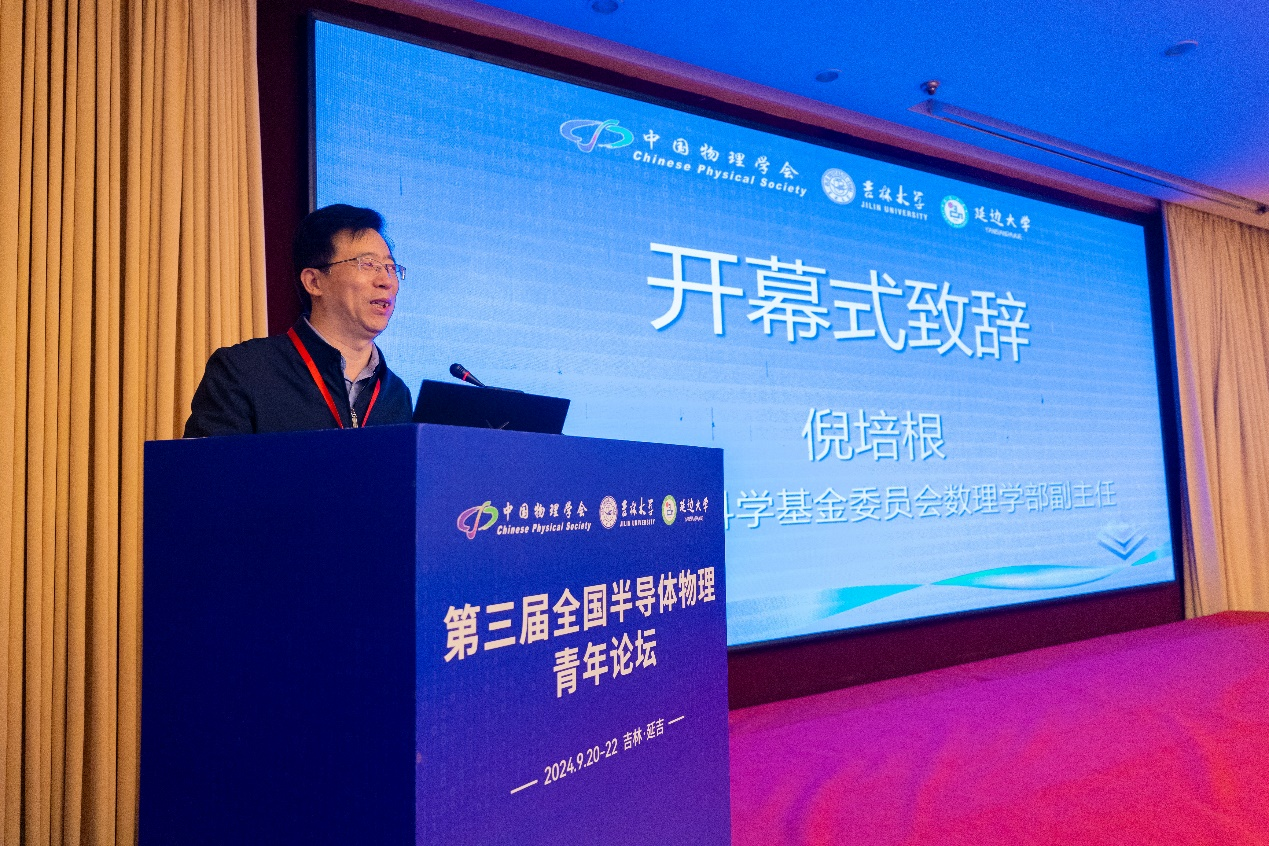
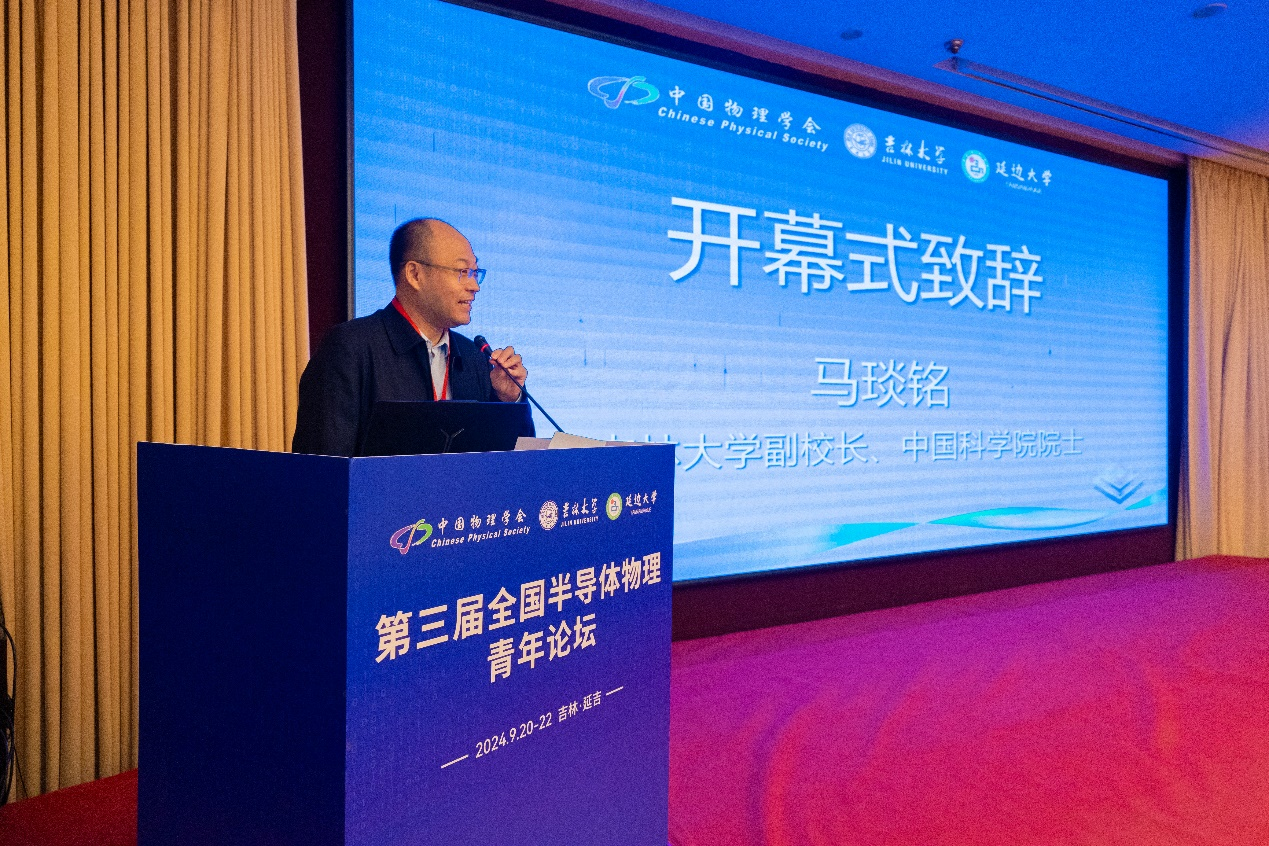
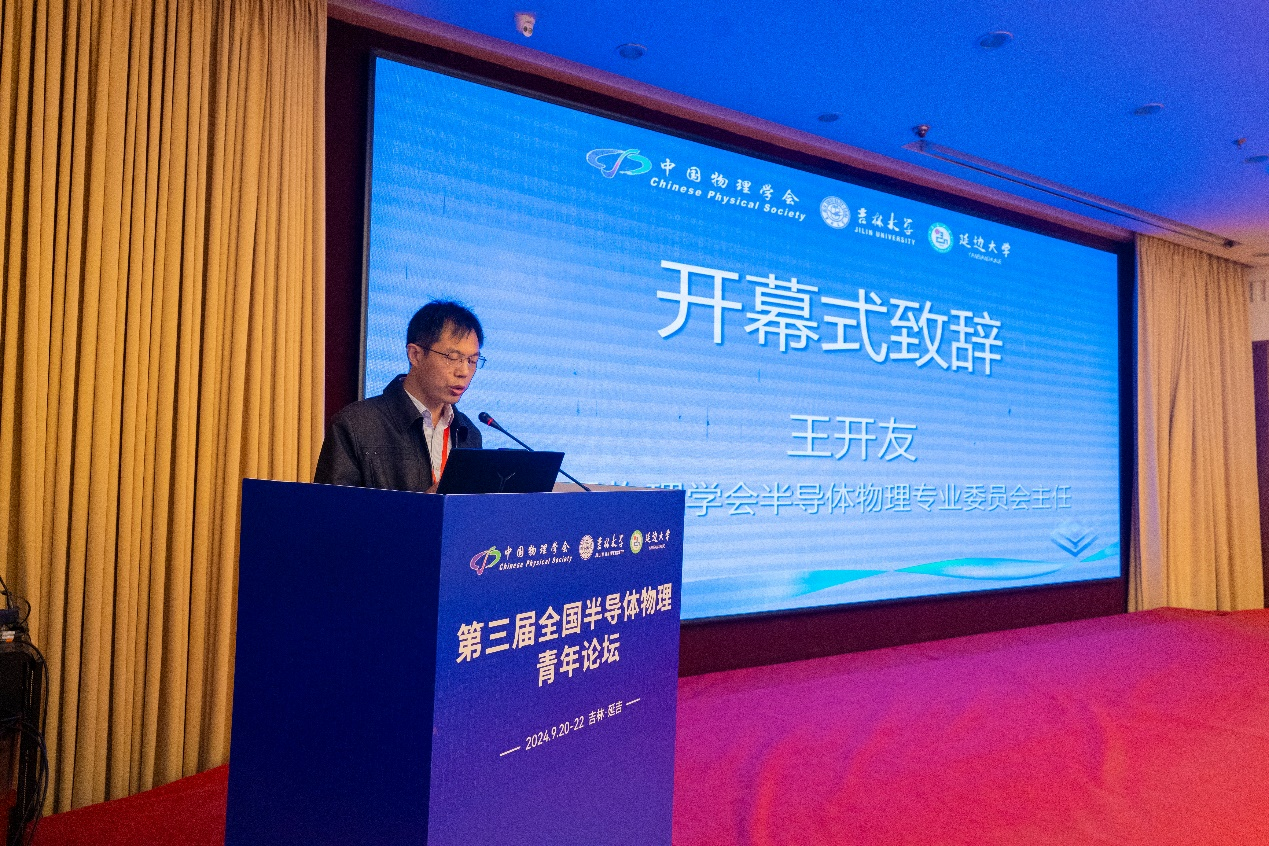
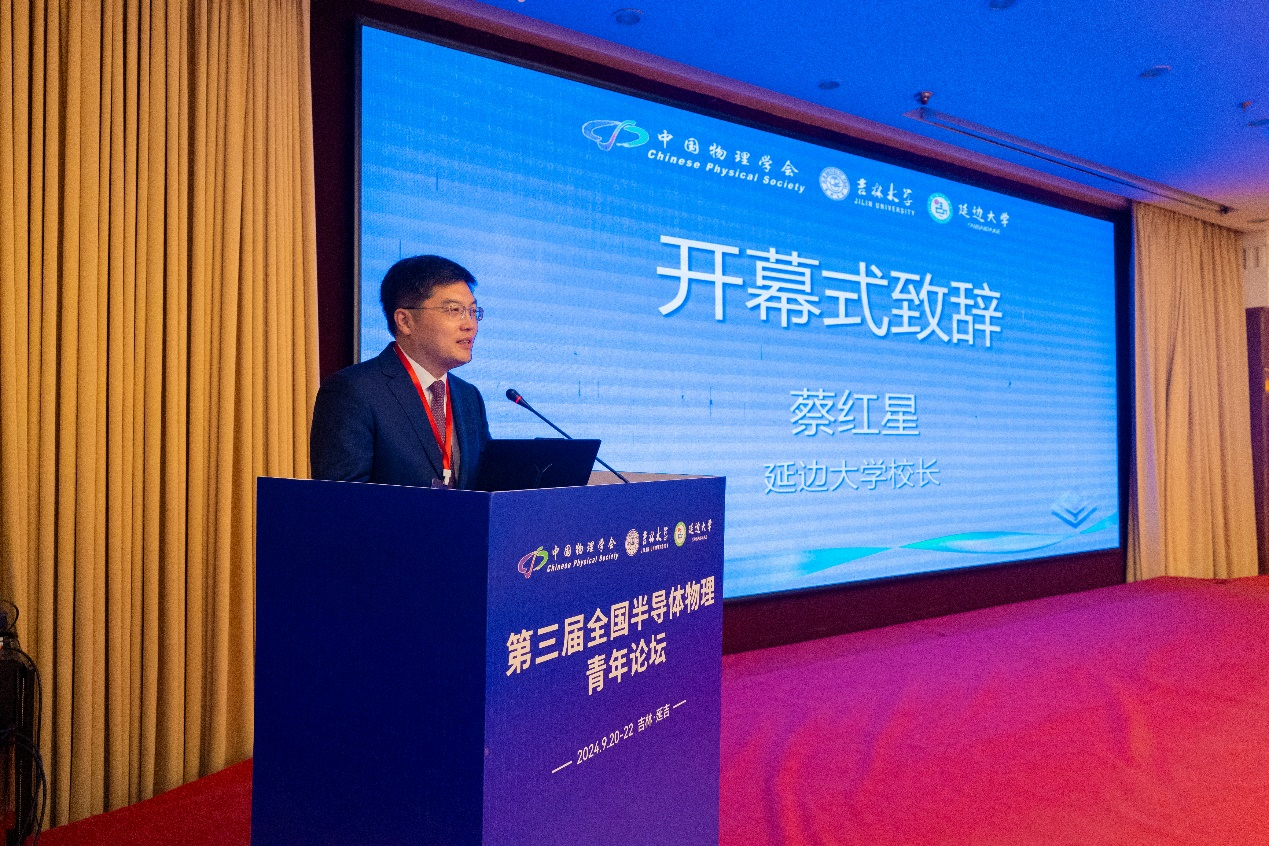
Deputy Director Ni Peigen from the Department of Mathematical and Physical Sciences of NSFC, Professor Ma Yanming, Member of the Chinese Academy of Sciences, Member of the Standing Committee of the Party Committee and Vice President of Jilin University, Researcher Wang Kaiyou, Director of the Semiconductor Physics Division of the Chinese Physical Society, and President Cai Hongxing of Yanbian University attended and delivered speeches at the opening ceremony. More than 140 experts and young scholars from over 50 universities and research institutes nationwide participated in the opening ceremony, which was presided over by Professor Zhang Lijun, Dean of the School of Materials Science and Engineering, Jilin University.
Deputy Director Ni Peigen introduced the latest reform initiatives of NSFC, elaborated on the setup of application codes for fundamental semiconductor physics under the Department of Mathematical and Physical Sciences, and outlined NSFC’s policies to support and cultivate young talents. He encouraged young scholars to devote themselves to semiconductor physics research and boost the rapid advancement of this discipline.
Vice President Ma Yanming extended a warm welcome to all leaders, experts and participants. He gave an overview of Jilin University, its profound heritage in semiconductor physics, and research achievements generated through interdisciplinary integration. He stressed the university’s high priority on nurturing young talents and expressed expectations that the forum would advance semiconductor physics research across China.
On behalf of the Semiconductor Physics Division of the Chinese Physical Society, Researcher Wang Kaiyou expressed gratitude to NSFC and Jilin University for their support, and highlighted the pivotal role of young scholars in driving progress in semiconductor physics. In his address, he hoped the forum would feature distinctive academic highlights, facilitate exchanges and collaboration among young researchers, and allow all participants to gain creative inspiration and build academic friendships.
President Cai Hongxing welcomed all attendees in his opening speech and presented an introduction to Yanbian University’s development and advantageous disciplines. Committed to cultivating young academic talents, Yanbian University welcomes outstanding young scholars nationwide to carry out exchanges and joint research on campus.
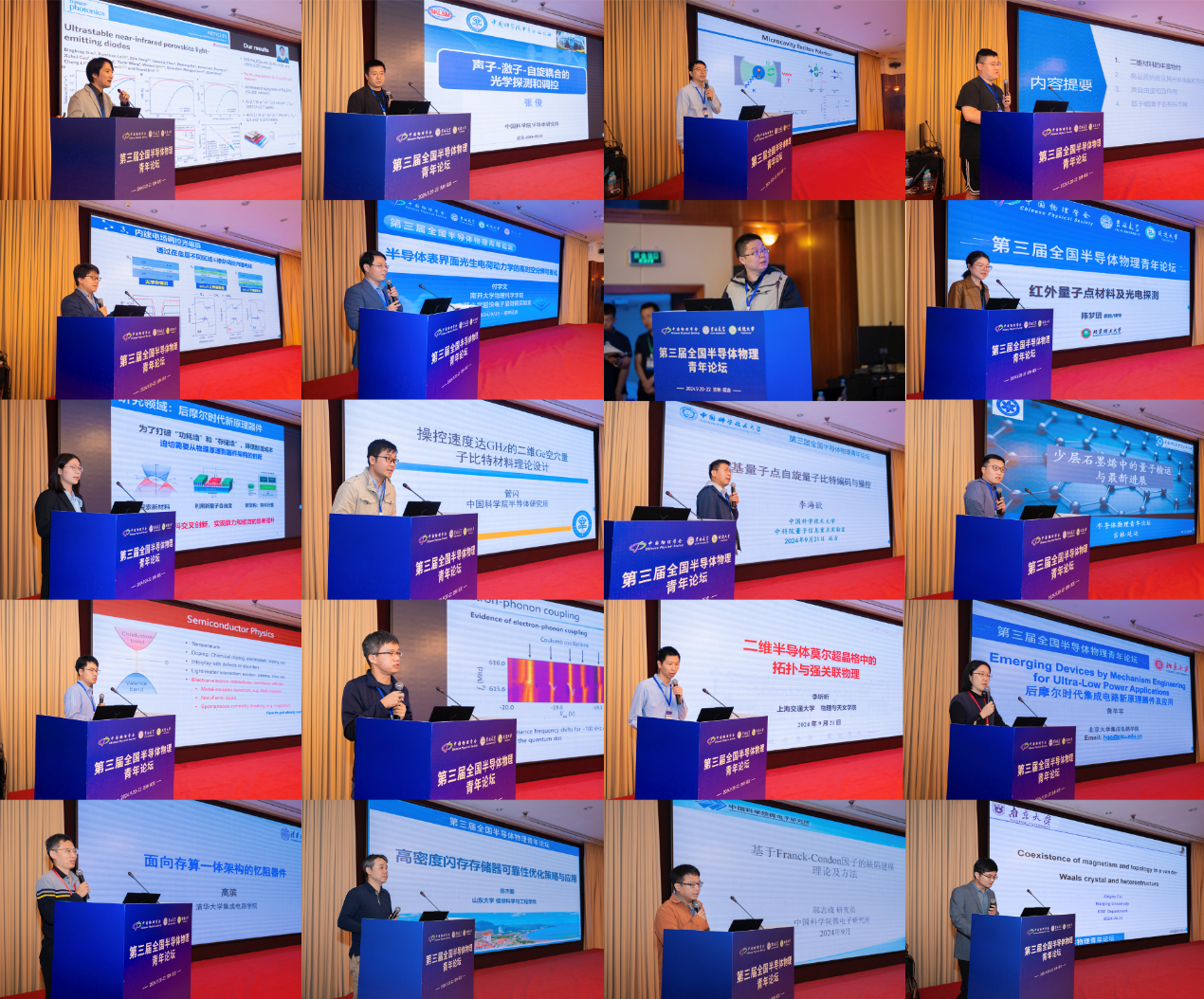
During the forum, a total of 20 plenary and invited talks were delivered by distinguished young researchers including Professor Di Dawei from Zhejiang University, Researcher Zhang Jun from the Institute of Semiconductors, Chinese Academy of Sciences, Professor Fu Xuewen from Nankai University, Professor Cheng Bin from Nanjing University of Science and Technology, Professor Li Haiou from the University of Science and Technology of China, Researcher Shi Yanmeng from the Institute of Semiconductors, Chinese Academy of Sciences, Professor Huang Qianqian from Peking University, and Associate Professor Gao Bin from Tsinghua University. Participants engaged in extensive discussions covering four thematic tracks: optical properties and photoelectric effects of semiconductors, low-dimensional semiconductor physics, semiconductor quantum physics and transport phenomena, and semiconductor device physics.
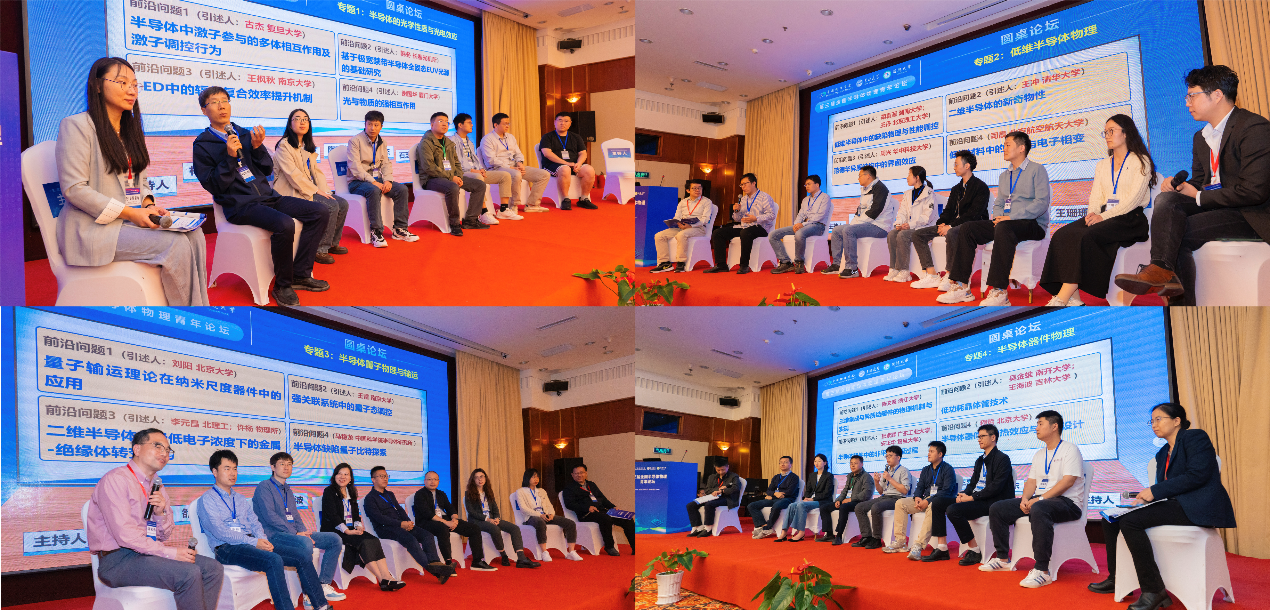
To deepen the breadth and depth of academic dialogue, dedicated roundtable sessions were arranged. Prior to the conference, academic topics for discussion were solicited from participants. For each thematic track, four most-concerned research questions were selected via collective voting by all scholars. In each roundtable, four moderators first elaborated on the selected topics, followed by open interactive discussions involving speakers and the audience. Scholars shared diverse viewpoints, jointly discussed bottlenecks and challenges hindering disciplinary development, and explored corresponding solutions. This session greatly fostered academic collision and in-depth communication.
A lightning talk session was also arranged to provide young scholars and students with a platform to present their latest research outcomes and share insights on the development of semiconductor physics. Thirty presenters showcased their cutting-edge work and academic perspectives. After anonymous voting by specially invited conference experts, eight speakers were awarded the Outstanding Lightning Talk Prize titled “Rising Stars of Semiconductor Physics”.
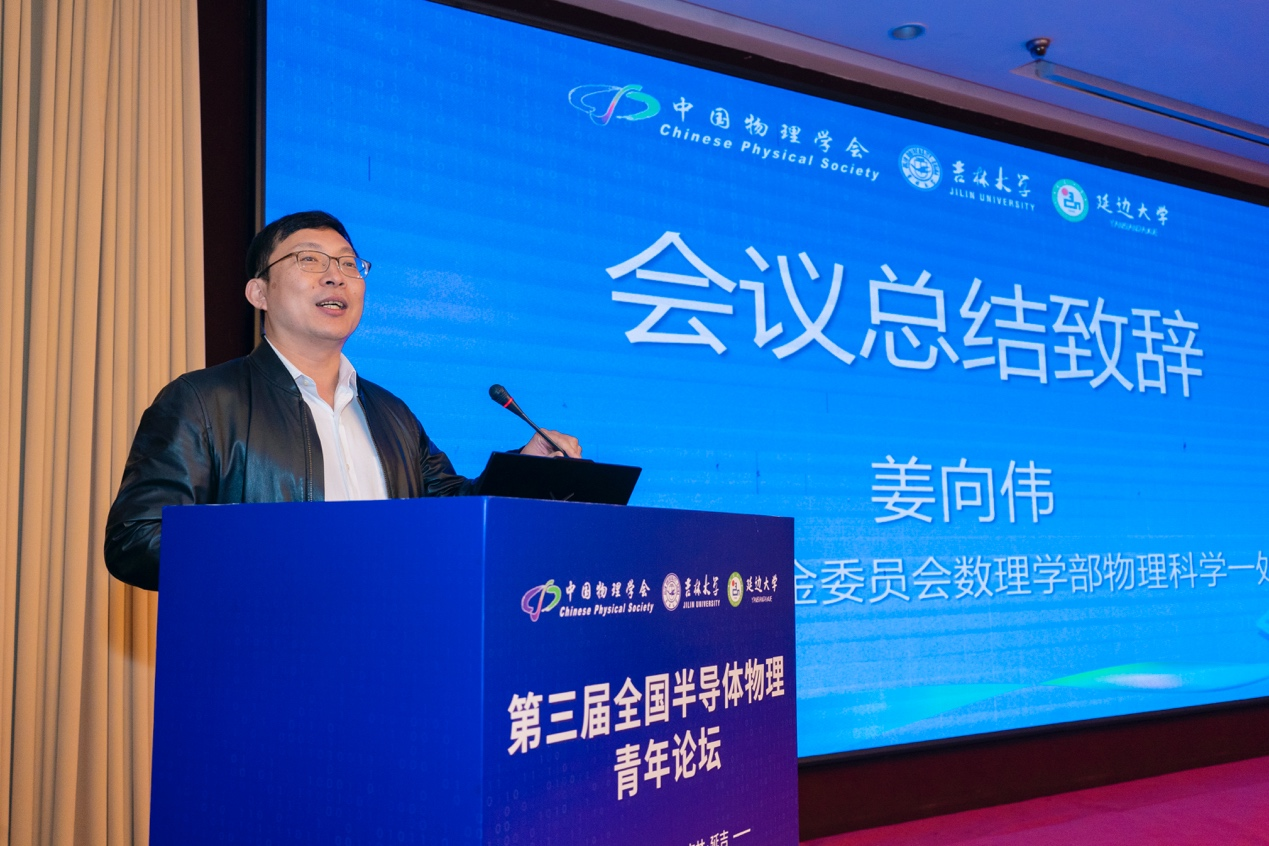
The closing ceremony was hosted by Professor Li Xianbin from the School of Electronic Science and Engineering, Jilin University. Director Jiang Xiangwei from the First Division of Physical Sciences, Department of Mathematical and Physical Sciences of NSFC delivered the closing remarks. He extended sincere congratulations on the successful convening of the forum, urging young scholars to sustain passion for scientific research, bravely confront difficulties and explore uncharted academic territories. Following deliberations by the forum organizing committee, Nanjing University was designated as the host institution for the next National Youth Forum on Semiconductor Physics.
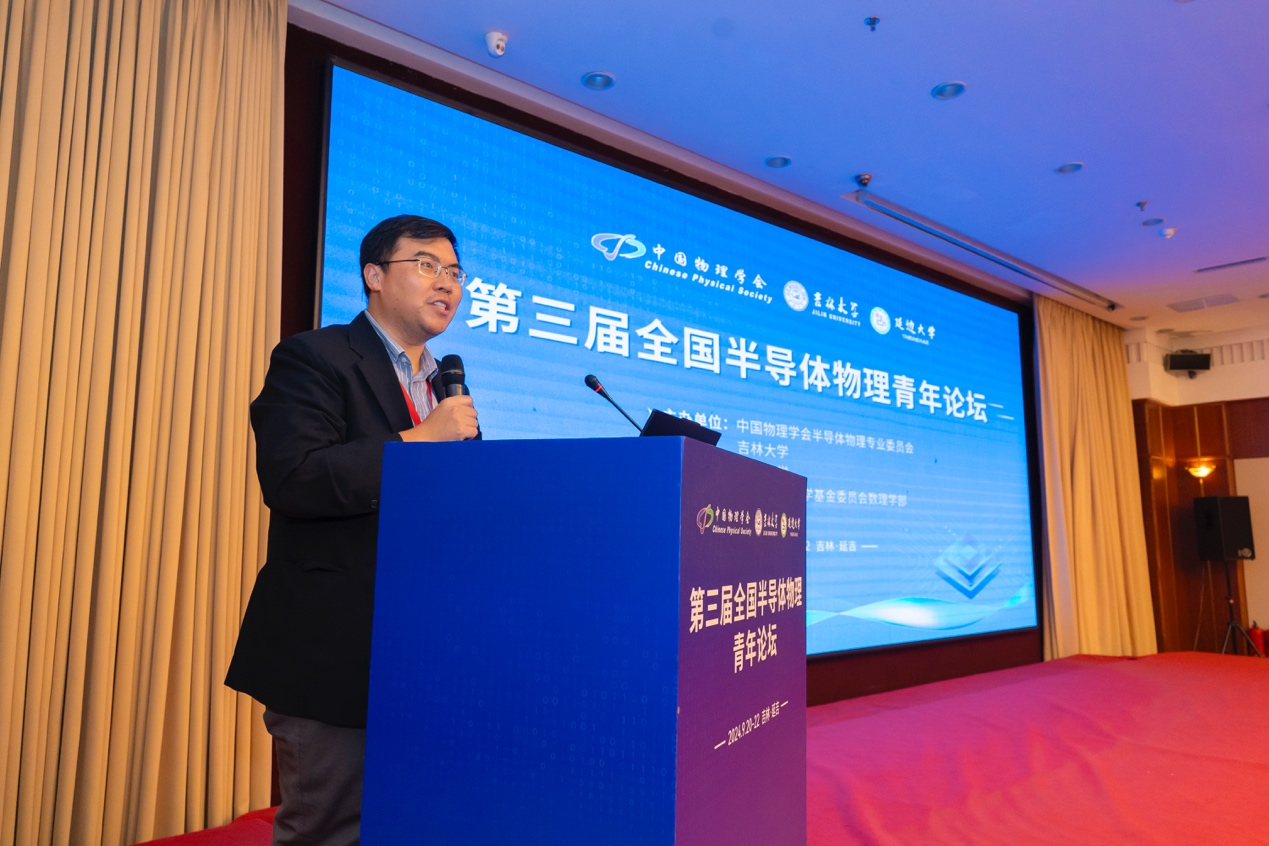
Among the more than 140 outstanding young scholars in attendance, 91% were under the age of 45, fully demonstrating the vigorous vitality and enormous potential of the young academic workforce in China’s semiconductor physics community. The successful holding of the 3rd National Youth Forum on Semiconductor Physics not only built a national platform for young researchers to present frontier results and debate academic issues, but also stimulated innovative thinking through intensive academic exchanges and intellectual collisions. It promotes the cultivation and growth of young talents, lays a solid foundation for advancing semiconductor physics in China, and elevates China’s competitiveness and influence in global semiconductor physics research.